How to Find the Best Bifold Doors for Your Home Renovation
Selecting the perfect bifold doors for a house remodel requires careful consideration of various factors. Property owners must consider materials, style, and energy efficiency to achieve a unified appearance and practicality. Accurate measurements are essential, whether one chooses to install the doors independently or work with professional contractors. With these factors in mind, the undertaking can feel daunting. Grasping the intricacies of bifold doors is essential for making an informed decision that elevates both visual appeal and usability.
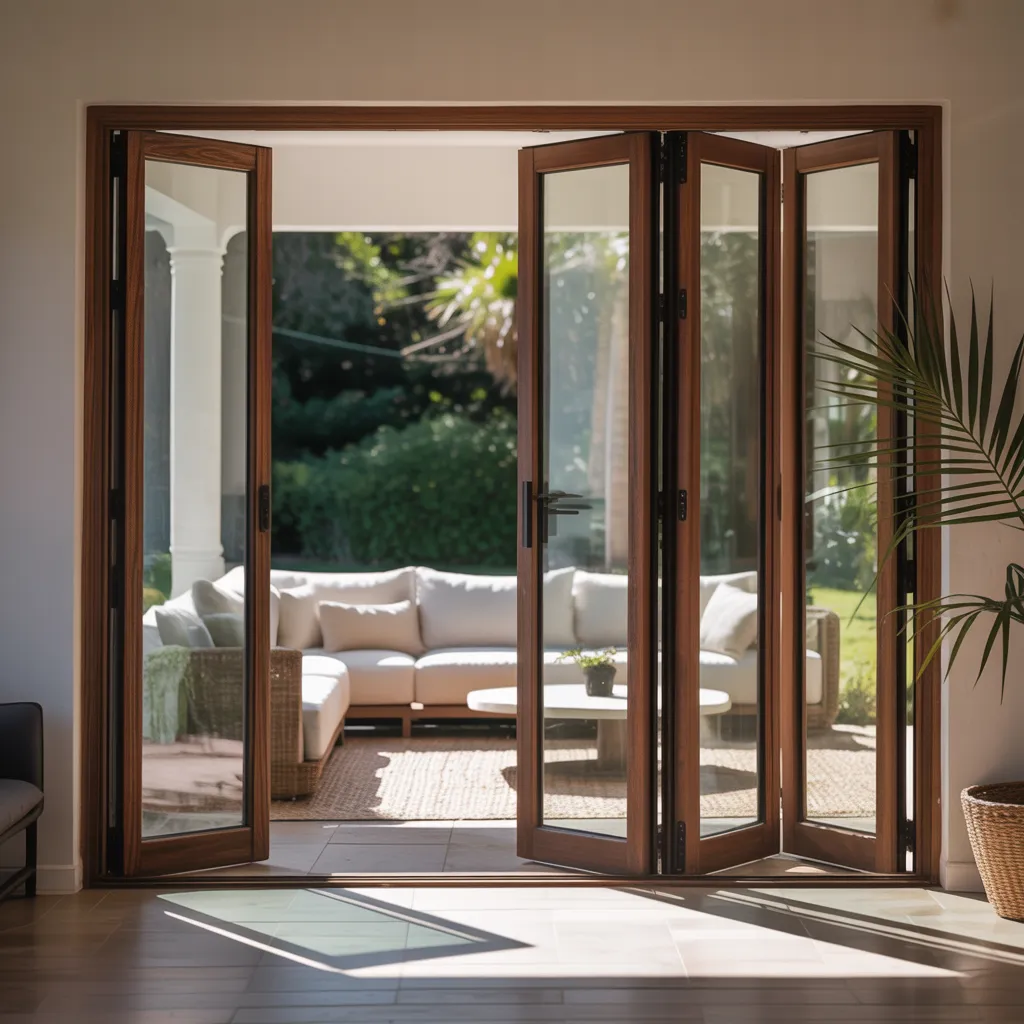
Understanding Bifold Doors: Benefits and Features
When thinking about home upgrades, understanding bifold doors is essential owing to their exceptional qualities and attributes. Bifold doors are made up of several panels that collapse and gather to one side, producing a generous opening that smoothly joins indoor and outdoor areas. This configuration maximizes natural light, making spaces appear bigger and more inviting. They also offer flexibility, allowing homeowners to adjust the space according to their needs.
When it comes to appearance, bifold doors offer a stylish look that can transform the overall appearance of a home. Their versatility means they can be used in a wide range of settings, including outdoor spaces, dining rooms, and even as space separators. In addition, bifold doors commonly include reliable security features and energy-efficient options, contributing to a safer and more sustainable living environment. Overall, bifold doors merge functionality with sophistication, making them an excellent choice for any renovation project.
Comparing Bifold Door Materials: Wood, Aluminum, and PVC
Selecting the right option for bifold doors is important, as each choice—wood, aluminum, and PVC—offers different benefits and disadvantages. Wood delivers a traditional appearance, natural warmth, and natural insulation but demands routine care to protect against warping and weather damage. It is frequently more expensive and may be unsuitable for moisture-rich environments.
Aluminum material, in contrast, is known for its durability and resistance to the elements. It needs very little maintenance and is available in numerous finishes, making it a modern choice. Nevertheless, aluminum can be less energy-efficient unless thermal breaks are included.
PVC doors are affordable and exceptionally resistant to humidity, making them ideal for areas with high humidity. They require minimal upkeep but may lack the visual appeal of wood or aluminum. Ultimately, the choice of material should align with the homeowner's budget, aesthetic preferences, and specific environmental considerations.
How to Accurately Measure Your Space for Bifold Doors
Precise measurements are essential for guaranteeing that bifold doors align properly within a designated space. First, the width of the opening needs to be recorded at three different points: the top, middle, and bottom. This helps account for any variations in the wall's construction. Subsequently, the height should be recorded from the ground level to the head of the opening, once more verifying at several locations to ensure uniformity.
It is also important to determine the depth of the location where the doors will be placed, particularly when a frame is necessary. Moreover, factor in the arc of movement of the doors upon full opening, confirming that sufficient clearance exists for smooth operation. In addition, it is wise to document any additional features, such as handles or locks, which may affect the overall dimensions. Taking these precise measurements will facilitate a smooth installation process and enhance the functionality of the bifold doors.
Finding the Best Bifold Door Style for Your Home
Picking the perfect bifold door option necessitates careful consideration of available materials and design aesthetics. Different material options, such as wood, aluminum, and fiberglass, can significantly impact the general appearance and longevity of the door units. Additionally, the chosen design should enhance the architecture of the home and boost its overall interior and exterior aesthetics.
Material Options Available
When considering bifold door choices for a home remodel, understanding the available material options is vital, as each option affects both aesthetics and functionality. Standard materials consist of vinyl, wood, and aluminum.
Timber provides an organic warmth and is customizable with numerous finishes, making it a favored selection for traditional designs. Aluminum, recognized for its strength and longevity, delivers a modern look with narrow profiles, perfect for contemporary spaces. Vinyl framing, on the other hand, is energy-efficient and low-maintenance, making it a sensible solution for homeowners seeking affordability.
Each type of material presents its unique benefits and drawbacks, influencing factors such as thermal performance, upkeep needs, and long-term durability. Consequently, picking the correct material is vital for reaching optimal results and visual appeal.
Design and Aesthetic Considerations
Aesthetics is a crucial factor in determining the right bifold door design for a property improvement, as it significantly affects the general look and practicality of a living area. Property owners must evaluate the architectural style of their home, whether contemporary, classic, or mixed, to achieve coherence. The choice of materials, colors, and finishes also affects the aesthetic quality; wood offers warmth, while aluminium creates a polished, up-to-date finish. Additionally, the size and configuration of the bifold doors should match the interior's measurements and structure, improving both natural light and ease of movement. At the core, choosing a bifold door that harmonizes with the existing decor will enhance the property's visual appeal while offering practical benefits, forming a natural flow between inside and outside living areas.
What to Look For in Energy-Efficient Bifold Doors
When selecting high-performance bifold doors, homeowners need to consider energy performance ratings to ensure proper insulation and reduced energy costs. Additionally, the decision regarding frame materials can considerably influence durability and overall efficiency. Lastly, considering multiple glazing options will prove beneficial in enhancing natural light while reducing heat transfer.
Thermal Efficiency Ratings
How can homeowners make certain that their bifold doors contribute to energy efficiency? One critical factor is understanding thermal performance ratings, which demonstrate how effectively a door protects against heat transfer. Homeowners should consider doors with superior energy ratings, such as those certified by Energy Star, to ensure optimal performance. The U-factor measures heat loss, while the Solar Heat Gain Coefficient (SHGC) measures solar radiation absorbed. A lower U-factor indicates better insulation, while an appropriate SHGC can reduce cooling costs in warmer regions. Additionally, factor in the R-value, which represents resistance to heat flow; higher values imply better insulation. By prioritizing these ratings, homeowners can identify bifold doors that boost energy efficiency and contribute to lower utility bills.
Frame Material Considerations
Choosing the right frame material for bifold doors is crucial for optimizing energy efficiency. Common materials encompass aluminum, wood, and vinyl, with each delivering distinct advantages. Aluminum frames are lightweight and strong, but they may demand thermal breaks to improve insulation. Wood frames offer natural insulation characteristics and aesthetic appeal but necessitate regular maintenance to prevent warping. Vinyl frames are recognized for their durability and low maintenance, offering good insulation without the need for painting or staining. When deciding on a material, homeowners should consider climate, desired thermal performance, and maintenance requirements. Choosing the right frame material not only impacts energy consumption but also contributes to the overall comfort and sustainability of the home.
Benefits of Glazing Options
When choosing bifold doors, homeowners ought to prioritize glazing options as they significantly influence energy efficiency and comfort. Double or triple glazing is frequently advised, as it delivers improved insulation by cutting heat loss and minimizing cold drafts. Low-emissivity (Low-E) coatings can significantly improve thermal performance by directing heat back inside during winter months and blocking it during summer months. Additionally, homeowners may consider argon or krypton gas fills between panes, which improves thermal performance. The glazing decision not only impacts energy expenses but also determines condensation levels and overall home comfort. By selecting high-quality glazing options, homeowners can guarantee that their bifold doors contribute to a more sustainable and comfortable living environment.
Custom Selection Options: Colors, Finishes, and Hardware
Customization options play a significant role in the attractiveness of bifold doors, giving homeowners the ability to create a seamless integration with their existing interior style. Multiple finishes, such as wood, aluminum, or vinyl, can elevate the visual appeal while ensuring long-term durability. Homeowners can select from a range of colors, from natural wood tones to bold hues, allowing the doors to seamlessly complement or boldly contrast with nearby design elements.
Beyond color choices and surface finishes, hardware options also play a significant part in find details about the overall design. Handles, copyrights, and locks can be selected in numerous styles and materials, such as antique brass, matte black, or brushed nickel, providing additional customization options. Such decisions not only boost functionality but also support the overall appearance of the bifold doors. By carefully selecting these components, homeowners can create bifold doors that reflect their unique style and enhance their home's atmosphere.
DIY vs. Professional Installation: What You Need to Know
When thinking about bifold door fitting, homeowners often wonder whether to tackle the project themselves or hire a professional. A DIY approach can be attractive for those seeking to save money and enjoy a hands-on experience. Nevertheless, it calls for a thorough grasp of carpentry skills and the correct equipment. Errors can result in poorly aligned doors and expensive fixes.
Alternatively, employing a professional provides a hassle-free installation with skilled knowledge and proven experience. Experts are equipped to manage unexpected issues, such as structural concerns or unique measurements, giving you confidence and reassurance. Many professionals provide warranties, enhancing the overall value.
Ultimately, the decision depends on the homeowner's abilities, resources, and scheduling limitations. Those comfortable with home improvement may opt for DIY, while others may choose to invest in professional help for a hassle-free experience. Thoroughly assessing each alternative will help identify the most suitable approach for the particular renovation.

Questions We Often Receive
How Do Bifold Doors Impact Home Resale Value?
Bifold doors can enhance home resale value by improving aesthetic appeal and increasing natural light. Potential buyers often appreciate the seamless connection between indoor and outdoor spaces, which makes homes featuring bifold doors highly sought after in competitive real estate markets.
Do Bifold Doors Work in Small Spaces?
Bifold doors are truly well-suited for smaller spaces, as they provide an effective solution for making the most of limited space. Their design enables adaptable entry points, producing a perception of greater room while enhancing natural light and accessibility.
What Maintenance Do Bifold Doors Require Over Time?
Bifold doors need regular maintenance, including keeping the tracks clean, greasing the copyrights, and inspecting seals for signs of wear. Checking for damage and confirming correct alignment helps maintain functionality and increases the longevity of the doors.
Can Bifold Doors Be Installed in Existing Frames?
Bifold doors can often be installed in existing frames, as long as the dimensions and structural integrity meet the necessary requirements. Proper adjustments may be required, ensuring a secure fit and ideal functionality for seamless operation.
What Are Typical Issues With Bifold Doors?
Common issues with bifold doors include misalignment during installation, operational difficulty caused by debris or wear, poor sealing which causes drafts, and the risk of damage to materials from humidity or severe weather conditions.